

Shift wo rkers and workers with irregular schedules report lower productivity and more safety-related issues, including being more often injured at home, falling asleep at work, nodding off while driving, and near misses or accidents due to being tired (Rosekind et al, 2010). Certain industries and occupations, however, require irregular hours and shift work (e.g. transportation, health care, manufacturing, law enforcement).
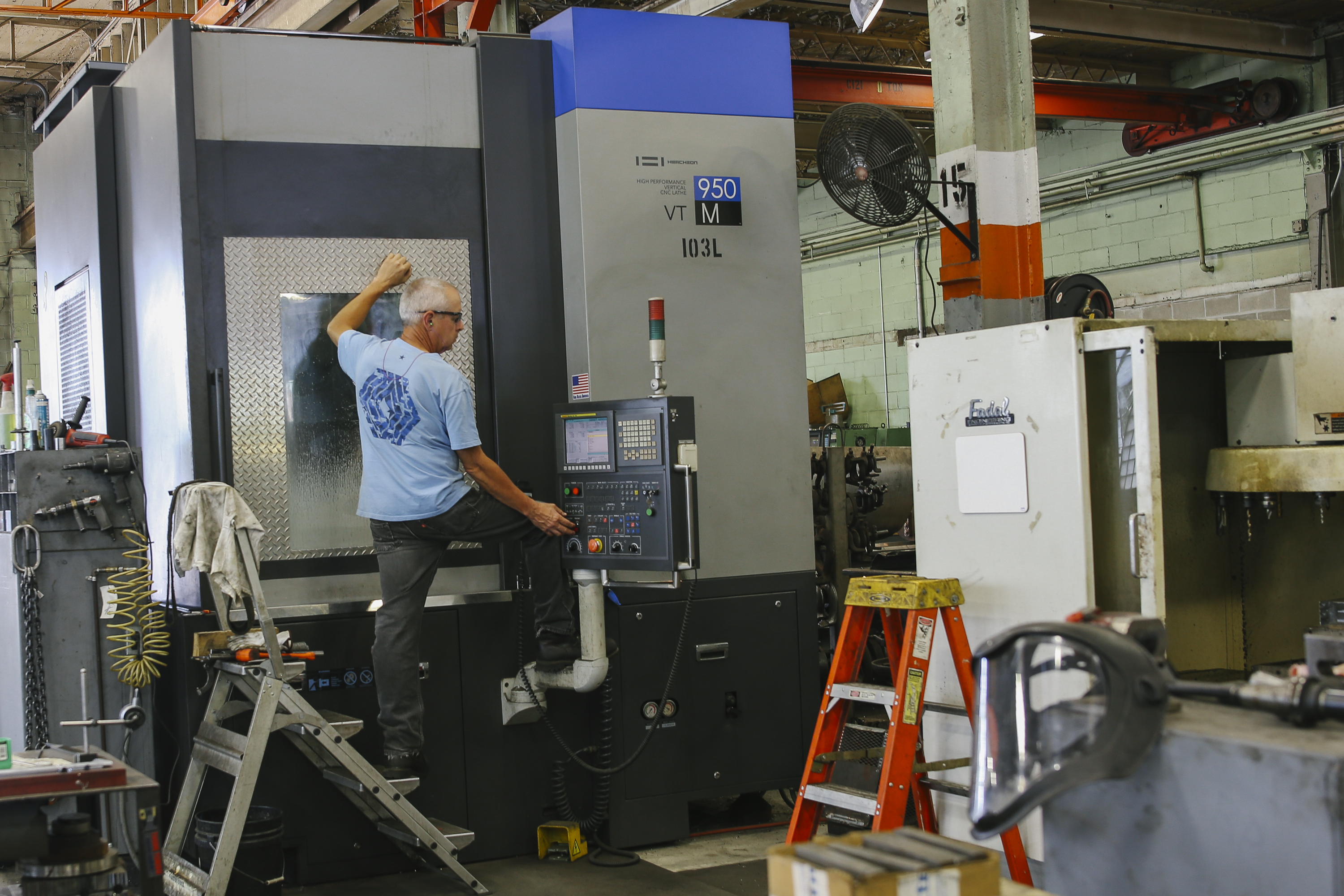
Employers should consider targeting programs for specific industries and occupations that require employees to work irregular hours. In a NIOSH Science Blog on Sleep and Work, Dr. Claire Caruso and Dr. Roger Rosa recommend employers examine work demands with respect to shift length and provide shift workers with at least 10 consecutive hours per day off-duty; allow longer breaks for meals; promote frequent rest breaks (e.g. every 1-2 hours); provide training to make sure workers are aware of the ups and downs of shift work; and share resources for dealing with difficulties related to their work schedules.
Click to return to Safety & Well-being Topics