

 Workplace programs should address lifestyle habits and risk factors to help employees improve their cardiovascular wellbeing, which is determined by multiple factors including weight, blood pressure, lipids, smoking, physical activity, diet and blood glucose. Factors with the greatest potential for CV improvement are diet quality, physical activity and body weight. Approaches should focus on both improving CV for workers with greatest risk and preserving and maintaining employees with ideal levels as they age.
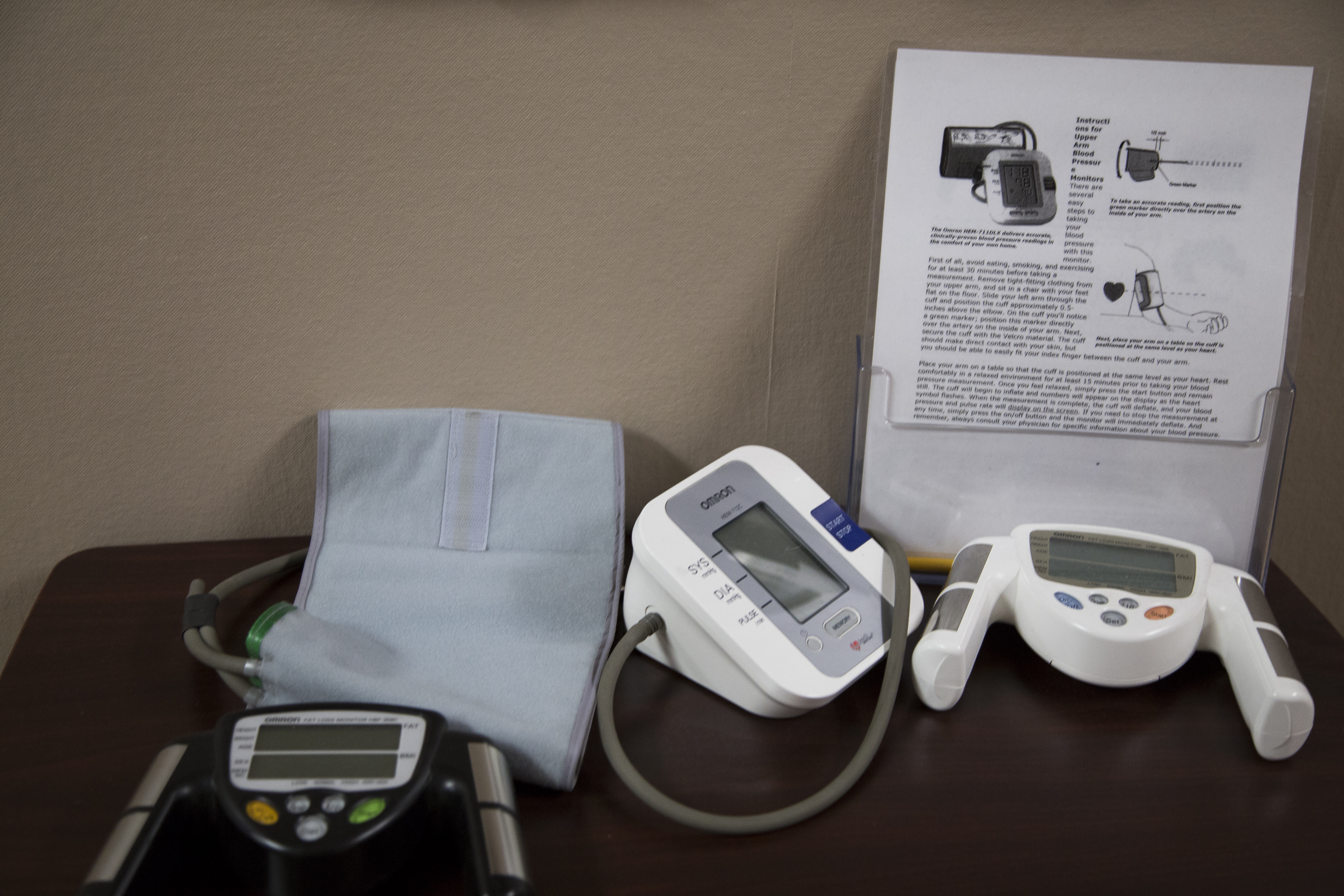
At the individual level, Health Risk Assessments (HRAs) and biometric screenings provide an opportunity for employees to understand their individual risks and for employers to know where to target interventions such as educational programming or counseling or coaching for individuals with higher risks. At the policy and environmental levels, workplaces should be free of chemical and physical hazards that jeopardize employee’s cardiovascular health, safety and wellbeing.
The American Heart Association (AHA) recommends including the following components for a comprehensive workplace cardiovascular wellbeing program:
- CVD education that includes cardiopulmonary resuscitation and automated external defibrillator training
- Tobacco cessation and prevention
- Early detection and screening*
- Disease management
- Weight management
- Nutrition education – Heart healthy diets
- Physical activity
- Stress management/reduction
- Changes in the work environment to encourage healthy behaviors
- Promote occupational safety and health
*Assessments and screenings should consider blood pressure, body mass index, cholesterol, blood glucose, cigarette/tobacco use and mental health.
Click to return to Safety & Well-being Topics